Hand Hygiene and Infection Control
Introduction
Welcome to the first module of Unit 3B, where we delve into Hand Hygiene and Infection Control, adhering to guidelines from the ADA, CDC, and OSHA. Hand hygiene is arguably the most critical measure for reducing the spread of pathogens in healthcare settings. It’s not just about scrubbing your hands; it’s about doing it correctly and at the right times.
Topics Covered
1. Importance of Hand Hygiene
Key Concepts:
- Pathogen Transmission: Hands are a primary vector for transmitting infectious diseases.
- Patient Safety: Proper hand hygiene ensures a safe environment for patients.
2. When to Wash Hands
Key Concepts:
- Before Patient Contact: Always wash your hands before touching a patient.
- After Patient Contact: Always wash your hands immediately after touching a patient, contaminated objects, or surfaces.
- Before Sterile Tasks: Prior to any sterile procedures, thorough handwashing is required.
Examples:
- Wash your hands before putting on gloves for a procedure.
- Wash your hands after taking radiographs for a patient.
3. Types of Hand Hygiene
Key Concepts:
- Handwashing: Cleaning hands with water and soap.
- Hand Sanitizing: An alcohol-based hand rub may be used if hands are not visibly soiled.
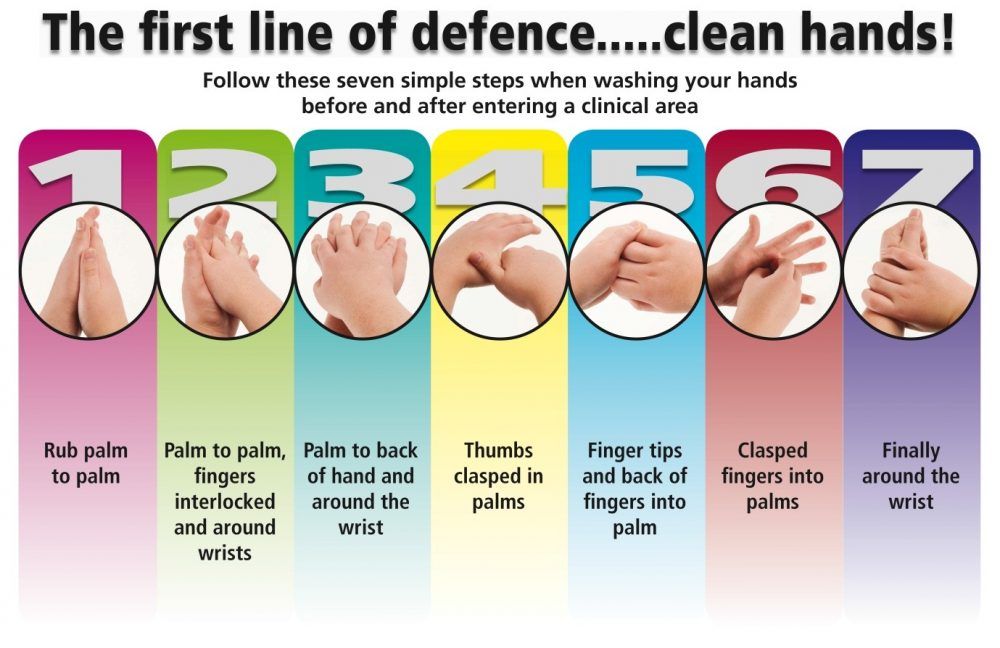
4. Medical Handwashing Steps
Key Concepts:
- Wet Hands: Thoroughly wet your hands under running water.
- Apply Soap: Apply an ample amount of soap to your hands.
- Scrub: Rub your hands together for at least 20 seconds. Make sure to scrub all surfaces including back of hands, between fingers, and under nails.
- Rinse: Rinse hands well under running water.
- Dry: Dry hands using a clean towel or air dryer.
- Turn Off Tap: Use a tissue to turn off the tap to avoid re-contaminating your hands.
Examples:
- Follow the World Health Organization (WHO) guidelines for hand hygiene.
- Consider using a timer or singing a song like “Happy Birthday” twice to ensure you scrub for the full 20 seconds.
5. Additional Considerations
Key Concepts:
- Skin Health: Keeping skin in good condition is essential for effective hand hygiene.
- Jewelry: All jewelry should be removed before handwashing for a medical procedure.
Examples:
- If your skin is dry or cracked, use approved hand lotions to keep your skin healthy.
- Remove your watch and rings before commencing the hand hygiene procedure.
Conclusion
Hand hygiene is not merely a routine but a crucial responsibility that healthcare professionals must rigorously observe. Accurate handwashing techniques are vital in preventing cross-contamination and providing a safe environment for patient care. So, keep those hands clean; it’s the easiest and most effective way to prevent the spread of infection!
Exercise Files